
Drowsy Driving
Don't be a statistic
The odds of being involved in a sleep-related accident are higher than you might think - but can be avoided. Learn to recognize signs of reduced alertness and sleep disorders. Help yourself or if you're the passenger, help the person who is behind the wheel with the Power Nap Kit™. Just because someone is awake, doesn't mean they are alert and ready to react with good judgement and quick reflexes.
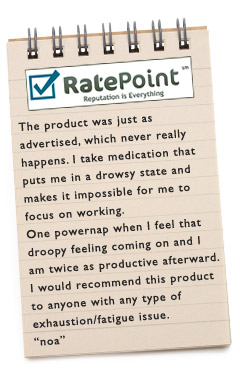
If you're sleep-deprived, feeling drowsy and yawning, you're probably too sleepy to respond quickly enough to avoid a crash and could easily fall into a microsleep. Take a 15-30 minute power nap. We offer several different power nap sessions with spoken introductions (SR) and relaxation narrations. Or, choose a music-only relaxation sessions (MR). All of these power nap sessions conclude with a series of successively louder 'wake-up' chimes.
Drowsy driving stats
Facts and figures from The National Highway Traffic Safety Administration (NHTSA).
1. Most problems occur after midnight, followed by another peak period in mid afternoon. Time of the day is the most consistent factor influencing driver fatigue and alertness.
2. NHTSA estimates that at least 100,000 police-reported crashes are the direct result of driver fatigue each year. Yet, only one in five drivers (22%) said they pull off the road to take a nap when driving drowsy.
3. There is no test to determine sleepiness as there is for intoxication, i.e., a 'Breathalyzer", yet 51% of adults (about 100 million people) say they have driven a car feeling drowsy in the last year. Fall-asleep crashes result in at least 1,500 deaths and 71,000 injuries. Costs per crash: $75,000; and $3,500,000 per fatal crash.
Are you at risk?
Yes you are, especially if you are taking sedating medications, working 60 hours a week or more, working more than one job, driving alone or driving long distances. Occupations most at risk? Shift workers, commercial drivers, those with undiagnosed or untreated sleep disorders, young people and the elderly.
Avoid risky road trips . . .
A NHTSA sponsored report titled "Drowsy Driving and Automobile Crashes", available online, offers the following advice for long-distance solo drivers who become drowsy while driving.
1. Stop driving immediately.
2. Consume something with caffeine. Since it takes about 30 minutes for caffeine to enter the bloodstream, take a nap while you're waiting for the caffeine to take effect.
3. Make it a 'power nap'. Limit it to 15-25 minutes. Pick a well lit gas station or designated roadside rest area to park your vehicle while you nap - NOT the shoulder of the road. After your nap, walk around a bit to rev up your metabolism before you get back behind the wheel.
Click here to download a free NHTSA report titled 'Drowsy Driving and Automobile Crashes'.
Copyright © 2008 At Peace ® Media LLC. All rights reserved. 203-539-6245