

Sleep Facts
Get a grip on sleep
Sleep is a dynamic and active state that greatly influences how we feel and perform during our waking hours. Innovative brain imaging techniques, such as MRIs, are helping researchers understand how different brain regions function during sleep. Research on the role of sleep in health and disease is fueling interest in new therapies for sleep disorders, which is good news for the 40 million Americans suffering from chronic, long-term sleep disorders.
Your Circadian Clock
Circadian is Latin for 'around the day'. Circadian rhythms are regular changes in your mental and physical characteristics that occur during the course of a 24 hour day. They're controlled by your biological clock. This 'biological clock', located in the hypothalamus section of your brain, governs functions that are synchronized with the sleep/wake cycle: body temperature, hormone secretion, urine production and blood pressure changes.
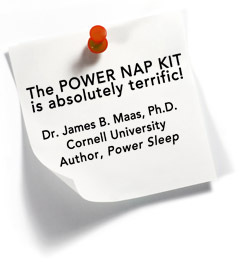
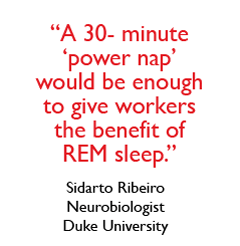
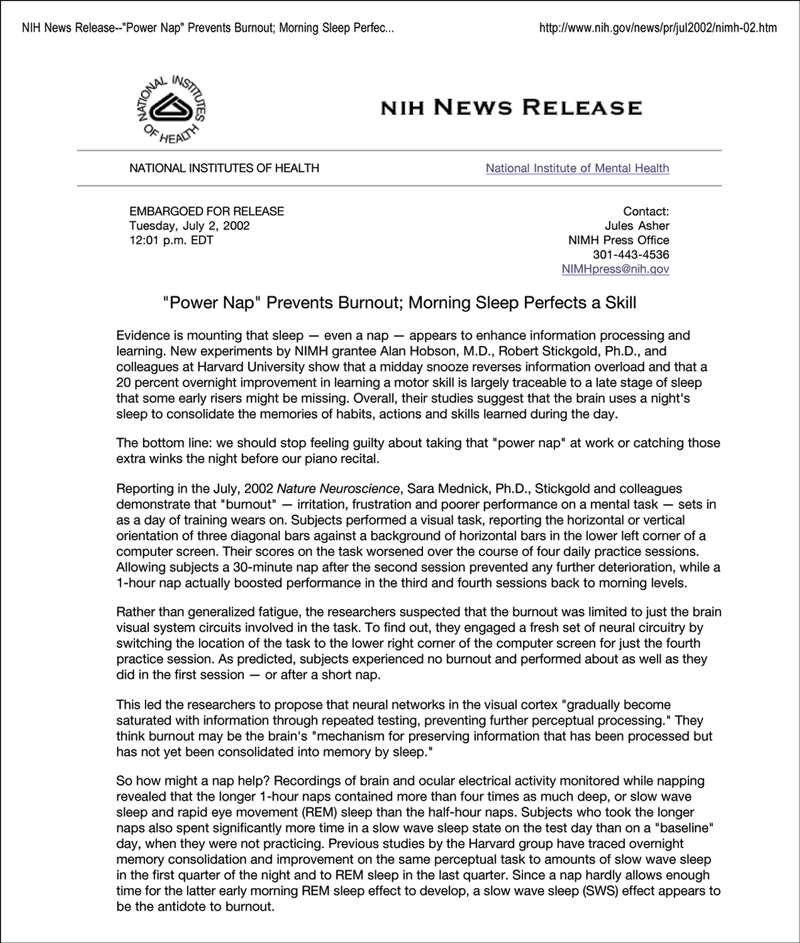
Jet lag results from a disruption of your circadian rhythms. Shift workers or people who work at night similarly experience jet lag-like symptoms, which increases the likelihood of workplace accidents or work errors. Tips to reduce shift-related fatigue include the following: use bright lights in the workplace, minimize shift changes and take power naps.
Battle fatigue 'like being drunk'
Sleep-deprived people tested with driving simulators or hand-eye coordination tasks perform as badly or even worse than people who are intoxicated.
A team from the US Army Research Institute of Environmental Medicine followed Navy Seals and Army Rangers. Soldiers who had too little sleep were tested to see if sleep deprivation affected their ability to make split-second decisions. "Their performance was actually worse than if they were legally drunk," said Dr. Harris Lieberman of the US Army Research Institute. Just one week of sleep deprivation can affect soldiers' abilities so they are unable to remember where troops on their own side are positioned, potentially leading to "friendly fire" incidents. more >
Visit Sleep for Survival to learn more about Sleep Stages and Sleep Strategies.
Copyright © 2008 At Peace ® Media LLC. All rights reserved. 203-539-6245